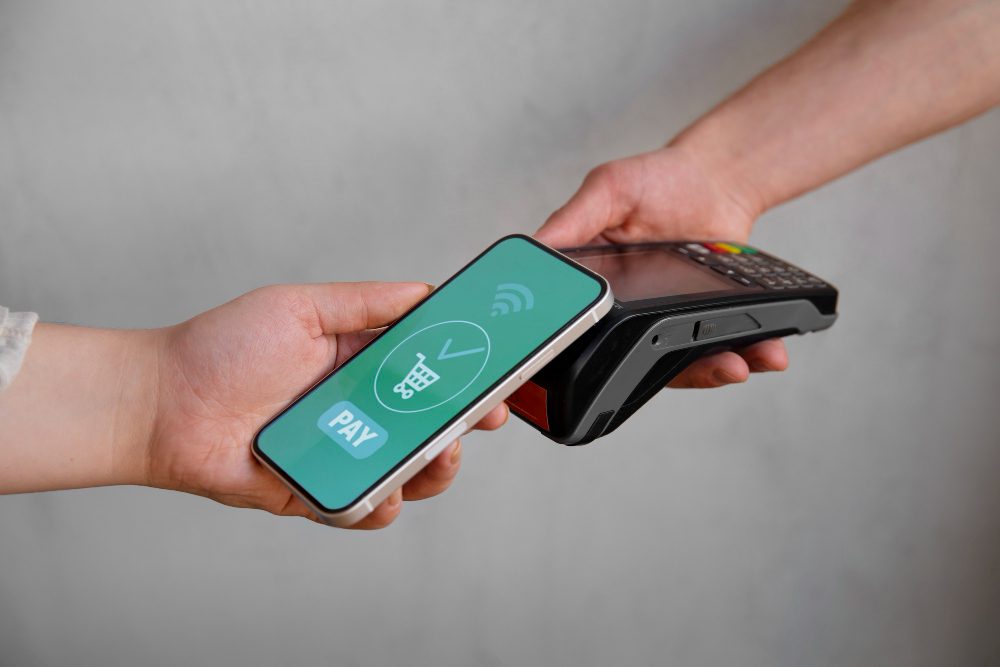
If POS buying feels overwhelming, the fix is not more demos; it is better questions. A strong question exposes real operational capability, while generic sales language hides it.
This article gives a literal ten-question buyer framework you can use before payment. Each question targets a practical risk area and can be validated in a one-week trial.
Question 1: What is peak-hour invoice time in real conditions?
Ask for measured transaction time under realistic load, not controlled demo pace.
Validate with your own staff to avoid vendor-assisted bias.
Question 2: How does partial return flow work end-to-end?
Returns are routine in retail. Verify stock, cash, and reporting impact in one flow.
Complex return paths usually produce recurring disputes and correction overhead.
Question 3: What exactly happens during internet or device failure?
Define continuity scope and recovery steps explicitly.
Run outage simulation and post-recovery audit before commitment.
Question 4: Can a new cashier become reliable within two days?
Fast adoption reduces error cost and training burden.
Dependence on one internal expert is a scaling risk.
Question 5: Which reports directly improve weekly purchasing?
Demand actionable movement and margin reports, not just total sales.
Ask to view real output that can be used immediately.
Question 6: What is full one-year cost, including hidden effort?
Include accessories, training, support, and downtime exposure.
Monthly price alone is not enough for sound comparison.
Question 7: How are permissions and accountability managed?
Clarify control over discounts, voids, price edits, and shift close.
Traceability protects margin and reduces internal conflict.
Question 8: Can I export clean data if strategy changes later?
Data portability protects strategic freedom.
Test export completeness and practical usability yourself.
Question 9: What support response can I expect during store hours?
Define channels, response windows, and escalation path.
Support speed under pressure matters more than general availability claims.
Question 10: What does a fair one-week trial plan look like?
Use structured daily scenarios and measurable outcomes.
Finish with a scored sheet that compares options on evidence, not momentum.
- Run normal flow, rush flow, and disruption flow.
- Collect owner and cashier scoring independently.
- Use 10-point scoring per question.
- Review and lock decision criteria before payment.
Using the ten questions for a confident decision
Build a single comparison table and weight questions by operational impact. This removes noise and speeds up selection quality.
Include Cashiery in the exact same ten-question test. Keep the option that gives clear answers and proof in your real trial.
Numeric scoring layer for buyer discipline
Supplemental detail 1.1: Assign weighted percentages to each question so critical risks dominate the final score.
Supplemental detail 1.2: Attach evidence artifacts to each answer: timing, screenshots, or test logs.
Supplemental detail 1.3: Include frontline cashier input; executive-only scoring misses practical friction.
Supplemental detail 1.4: Reuse the same scorecard sixty days after launch to verify outcome quality.
Supplemental detail 1.5: Apply the framework again during upgrades to preserve decision consistency.
Supplemental detail 1.6: A repeatable question system turns procurement into an operating capability.
Numeric scoring layer for buyer discipline - Follow-up 2
Supplemental detail 2.1: Assign weighted percentages to each question so critical risks dominate the final score.
Supplemental detail 2.2: Attach evidence artifacts to each answer: timing, screenshots, or test logs.
Supplemental detail 2.3: Include frontline cashier input; executive-only scoring misses practical friction.
Supplemental detail 2.4: Reuse the same scorecard sixty days after launch to verify outcome quality.
Supplemental detail 2.5: Apply the framework again during upgrades to preserve decision consistency.
Supplemental detail 2.6: A repeatable question system turns procurement into an operating capability.
Numeric scoring layer for buyer discipline - Follow-up 3
Supplemental detail 3.1: Assign weighted percentages to each question so critical risks dominate the final score.
Supplemental detail 3.2: Attach evidence artifacts to each answer: timing, screenshots, or test logs.
Supplemental detail 3.3: Include frontline cashier input; executive-only scoring misses practical friction.
Supplemental detail 3.4: Reuse the same scorecard sixty days after launch to verify outcome quality.
Supplemental detail 3.5: Apply the framework again during upgrades to preserve decision consistency.
Supplemental detail 3.6: A repeatable question system turns procurement into an operating capability.
Numeric scoring layer for buyer discipline - Follow-up 4
Supplemental detail 4.1: Assign weighted percentages to each question so critical risks dominate the final score.
Supplemental detail 4.2: Attach evidence artifacts to each answer: timing, screenshots, or test logs.
Supplemental detail 4.3: Include frontline cashier input; executive-only scoring misses practical friction.
Supplemental detail 4.4: Reuse the same scorecard sixty days after launch to verify outcome quality.
Supplemental detail 4.5: Apply the framework again during upgrades to preserve decision consistency.
Supplemental detail 4.6: A repeatable question system turns procurement into an operating capability.
Numeric scoring layer for buyer discipline - Follow-up 5
Supplemental detail 5.1: Assign weighted percentages to each question so critical risks dominate the final score.
Supplemental detail 5.2: Attach evidence artifacts to each answer: timing, screenshots, or test logs.
Supplemental detail 5.3: Include frontline cashier input; executive-only scoring misses practical friction.
Supplemental detail 5.4: Reuse the same scorecard sixty days after launch to verify outcome quality.
Supplemental detail 5.5: Apply the framework again during upgrades to preserve decision consistency.
Supplemental detail 5.6: A repeatable question system turns procurement into an operating capability.
Numeric scoring layer for buyer discipline - Follow-up 6
Supplemental detail 6.1: Assign weighted percentages to each question so critical risks dominate the final score.
Supplemental detail 6.2: Attach evidence artifacts to each answer: timing, screenshots, or test logs.
Supplemental detail 6.3: Include frontline cashier input; executive-only scoring misses practical friction.
Supplemental detail 6.4: Reuse the same scorecard sixty days after launch to verify outcome quality.
Supplemental detail 6.5: Apply the framework again during upgrades to preserve decision consistency.
Supplemental detail 6.6: A repeatable question system turns procurement into an operating capability.
Numeric scoring layer for buyer discipline - Follow-up 7
Supplemental detail 7.1: Assign weighted percentages to each question so critical risks dominate the final score.
Supplemental detail 7.2: Attach evidence artifacts to each answer: timing, screenshots, or test logs.
Supplemental detail 7.3: Include frontline cashier input; executive-only scoring misses practical friction.
Supplemental detail 7.4: Reuse the same scorecard sixty days after launch to verify outcome quality.
Supplemental detail 7.5: Apply the framework again during upgrades to preserve decision consistency.
Supplemental detail 7.6: A repeatable question system turns procurement into an operating capability.
Numeric scoring layer for buyer discipline - Follow-up 8
Supplemental detail 8.1: Assign weighted percentages to each question so critical risks dominate the final score.
Supplemental detail 8.2: Attach evidence artifacts to each answer: timing, screenshots, or test logs.
Supplemental detail 8.3: Include frontline cashier input; executive-only scoring misses practical friction.
Supplemental detail 8.4: Reuse the same scorecard sixty days after launch to verify outcome quality.
Supplemental detail 8.5: Apply the framework again during upgrades to preserve decision consistency.
Supplemental detail 8.6: A repeatable question system turns procurement into an operating capability.
Numeric scoring layer for buyer discipline - Follow-up 9
Supplemental detail 9.1: Assign weighted percentages to each question so critical risks dominate the final score.
Supplemental detail 9.2: Attach evidence artifacts to each answer: timing, screenshots, or test logs.
Supplemental detail 9.3: Include frontline cashier input; executive-only scoring misses practical friction.
Supplemental detail 9.4: Reuse the same scorecard sixty days after launch to verify outcome quality.
Supplemental detail 9.5: Apply the framework again during upgrades to preserve decision consistency.
Supplemental detail 9.6: A repeatable question system turns procurement into an operating capability.
Numeric scoring layer for buyer discipline - Follow-up 10
Supplemental detail 10.1: Assign weighted percentages to each question so critical risks dominate the final score.
Supplemental detail 10.2: Attach evidence artifacts to each answer: timing, screenshots, or test logs.
Supplemental detail 10.3: Include frontline cashier input; executive-only scoring misses practical friction.
Supplemental detail 10.4: Reuse the same scorecard sixty days after launch to verify outcome quality.
Supplemental detail 10.5: Apply the framework again during upgrades to preserve decision consistency.
Supplemental detail 10.6: A repeatable question system turns procurement into an operating capability.