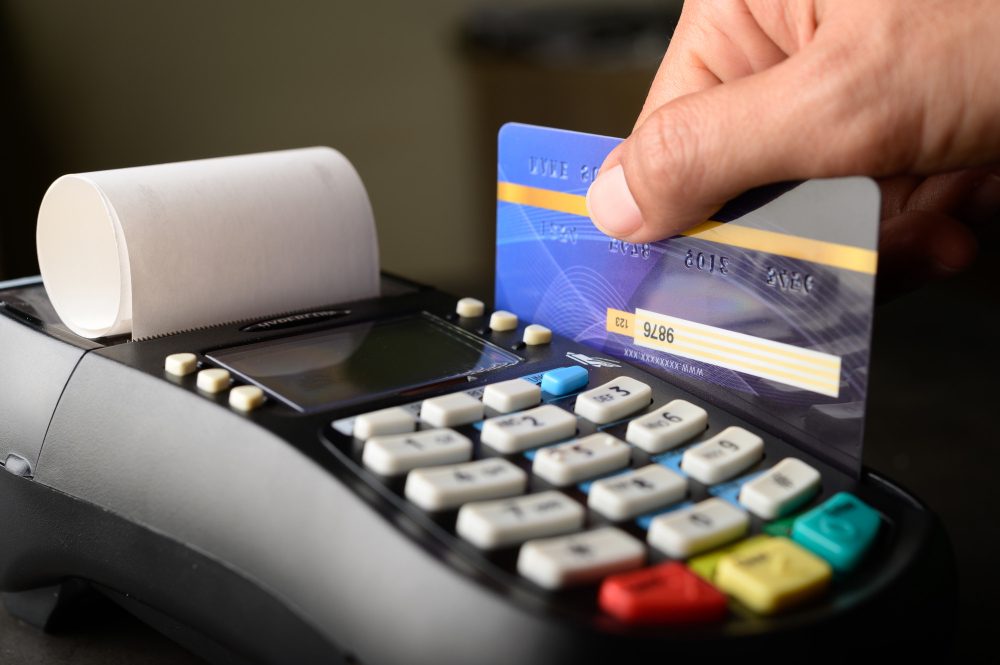
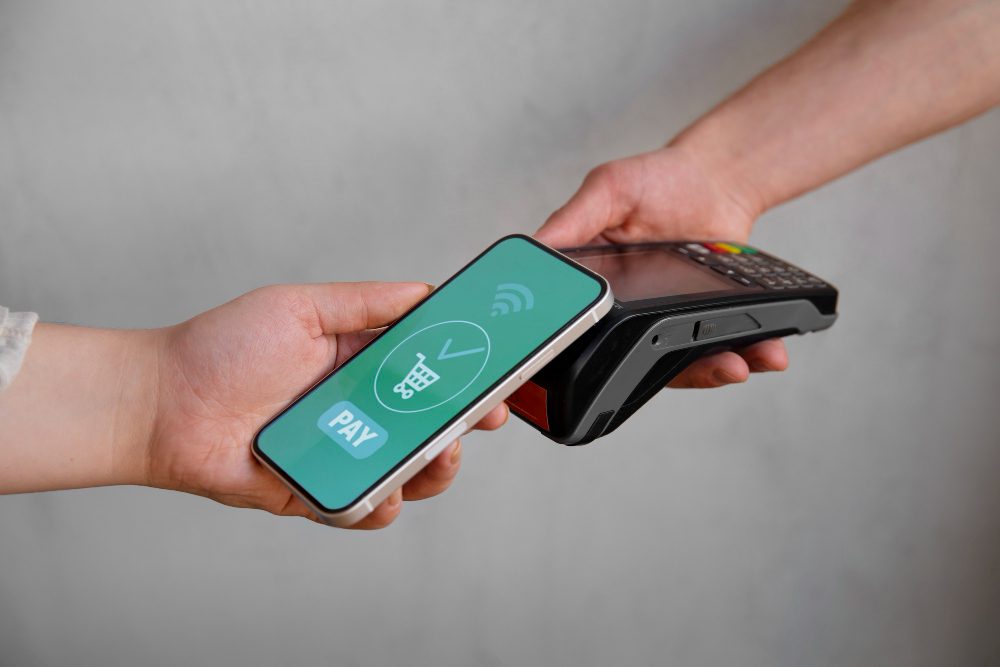
Cheap POS software can look efficient in week one and expensive by month end. This pattern is common when selection is based on upfront price alone. A cashier system is not an isolated purchase; it is the centerline of every transaction.
When the system is unstable, costs spread through queue delays, correction loops, reporting confusion, and staff hesitation. Each issue may look small individually, but combined they can exceed the subscription you tried to avoid.
This article explains why “cheap” often becomes expensive and how to pressure-test reliability before commitment.
Low price does not equal high value
Value comes from stability, speed, and accuracy. If these are weak, low subscription cost is a false signal. Evaluate cost of repeated friction, not just invoice amount.
Any low-cost option should prove it can survive realistic peak operation.
Where hidden cost appears
- Repeated interruptions requiring restart in front of customers.
- Confusing flow that increases quantity and pricing mistakes.
- Incomplete reports that force manual reconciliation.
- Weak return traceability over multi-day activity.
- Slow support response during sensitive sales windows.
How to test reliability before signing
Test across opening, peak, and close periods. Many tools perform well in short demos but degrade under transaction accumulation. Watch search behavior, invoice save speed, and error-state clarity.
Repeat with multiple staff profiles. If success depends on one expert user, operational risk remains high.
Reputation cost of checkout failure
Loss is not only immediate revenue. Delayed or incorrect checkout weakens return visits, which is critical for small-store economics. System-induced customer frustration has compounding impact.
Include customer-experience risk as a real decision variable.
Practical selection framework
- Define non-negotiables: speed, stability, clean end-of-day reporting.
- Test intentional error scenarios, not only clean flows.
- Validate real support response windows.
- Inspect upgrade path for staff and SKU growth.
- Model full-year operating cost, not first-month optics.
Bottom line
Cheap tools become expensive when they fail operational basics. Save budget wisely, but do not discount reliability.
After stress-testing performance under real load, you can evaluate Cashiery as a candidate if it protects daily throughput with fewer operational surprises.
Cheap-system risk log phase 1
Phase 1 records one quality-driven failure pattern in low-cost systems: item-search lag, delayed invoice commit, or confusing return pathways. Each event is time-stamped and queue-linked to preserve objective evidence.
The same phase 1 maps that event to cost: interruption minutes, impacted customers, and downstream reconciliation workload. This exposes the gap between low sticker price and high operating cost.
- Note 1: checkout freeze duration.
- Note 1: discount-entry accuracy under speed.
- Note 1: retrieval quality for older invoices.
- Note 1: closing variance impact.
- Note 1: manual workaround frequency.
Cheap-system risk log phase 2
Phase 2 records one quality-driven failure pattern in low-cost systems: item-search lag, delayed invoice commit, or confusing return pathways. Each event is time-stamped and queue-linked to preserve objective evidence.
The same phase 2 maps that event to cost: interruption minutes, impacted customers, and downstream reconciliation workload. This exposes the gap between low sticker price and high operating cost.
- Note 2: checkout freeze duration.
- Note 2: discount-entry accuracy under speed.
- Note 2: retrieval quality for older invoices.
- Note 2: closing variance impact.
- Note 2: manual workaround frequency.
Cheap-system risk log phase 3
Phase 3 records one quality-driven failure pattern in low-cost systems: item-search lag, delayed invoice commit, or confusing return pathways. Each event is time-stamped and queue-linked to preserve objective evidence.
The same phase 3 maps that event to cost: interruption minutes, impacted customers, and downstream reconciliation workload. This exposes the gap between low sticker price and high operating cost.
- Note 3: checkout freeze duration.
- Note 3: discount-entry accuracy under speed.
- Note 3: retrieval quality for older invoices.
- Note 3: closing variance impact.
- Note 3: manual workaround frequency.
Cheap-system risk log phase 4
Phase 4 records one quality-driven failure pattern in low-cost systems: item-search lag, delayed invoice commit, or confusing return pathways. Each event is time-stamped and queue-linked to preserve objective evidence.
The same phase 4 maps that event to cost: interruption minutes, impacted customers, and downstream reconciliation workload. This exposes the gap between low sticker price and high operating cost.
- Note 4: checkout freeze duration.
- Note 4: discount-entry accuracy under speed.
- Note 4: retrieval quality for older invoices.
- Note 4: closing variance impact.
- Note 4: manual workaround frequency.
Cheap-system risk log phase 5
Phase 5 records one quality-driven failure pattern in low-cost systems: item-search lag, delayed invoice commit, or confusing return pathways. Each event is time-stamped and queue-linked to preserve objective evidence.
The same phase 5 maps that event to cost: interruption minutes, impacted customers, and downstream reconciliation workload. This exposes the gap between low sticker price and high operating cost.
- Note 5: checkout freeze duration.
- Note 5: discount-entry accuracy under speed.
- Note 5: retrieval quality for older invoices.
- Note 5: closing variance impact.
- Note 5: manual workaround frequency.
Cheap-system risk log phase 6
Phase 6 records one quality-driven failure pattern in low-cost systems: item-search lag, delayed invoice commit, or confusing return pathways. Each event is time-stamped and queue-linked to preserve objective evidence.
The same phase 6 maps that event to cost: interruption minutes, impacted customers, and downstream reconciliation workload. This exposes the gap between low sticker price and high operating cost.
- Note 6: checkout freeze duration.
- Note 6: discount-entry accuracy under speed.
- Note 6: retrieval quality for older invoices.
- Note 6: closing variance impact.
- Note 6: manual workaround frequency.
Cheap-system risk log phase 7
Phase 7 records one quality-driven failure pattern in low-cost systems: item-search lag, delayed invoice commit, or confusing return pathways. Each event is time-stamped and queue-linked to preserve objective evidence.
The same phase 7 maps that event to cost: interruption minutes, impacted customers, and downstream reconciliation workload. This exposes the gap between low sticker price and high operating cost.
- Note 7: checkout freeze duration.
- Note 7: discount-entry accuracy under speed.
- Note 7: retrieval quality for older invoices.
- Note 7: closing variance impact.
- Note 7: manual workaround frequency.
Cheap-system risk log phase 8
Phase 8 records one quality-driven failure pattern in low-cost systems: item-search lag, delayed invoice commit, or confusing return pathways. Each event is time-stamped and queue-linked to preserve objective evidence.
The same phase 8 maps that event to cost: interruption minutes, impacted customers, and downstream reconciliation workload. This exposes the gap between low sticker price and high operating cost.
- Note 8: checkout freeze duration.
- Note 8: discount-entry accuracy under speed.
- Note 8: retrieval quality for older invoices.
- Note 8: closing variance impact.
- Note 8: manual workaround frequency.
Cheap-system risk log phase 9
Phase 9 records one quality-driven failure pattern in low-cost systems: item-search lag, delayed invoice commit, or confusing return pathways. Each event is time-stamped and queue-linked to preserve objective evidence.
The same phase 9 maps that event to cost: interruption minutes, impacted customers, and downstream reconciliation workload. This exposes the gap between low sticker price and high operating cost.
- Note 9: checkout freeze duration.
- Note 9: discount-entry accuracy under speed.
- Note 9: retrieval quality for older invoices.
- Note 9: closing variance impact.
- Note 9: manual workaround frequency.
Cheap-system risk log phase 10
Phase 10 records one quality-driven failure pattern in low-cost systems: item-search lag, delayed invoice commit, or confusing return pathways. Each event is time-stamped and queue-linked to preserve objective evidence.
The same phase 10 maps that event to cost: interruption minutes, impacted customers, and downstream reconciliation workload. This exposes the gap between low sticker price and high operating cost.
- Note 10: checkout freeze duration.
- Note 10: discount-entry accuracy under speed.
- Note 10: retrieval quality for older invoices.
- Note 10: closing variance impact.
- Note 10: manual workaround frequency.
Cheap-system risk log phase 11
Phase 11 records one quality-driven failure pattern in low-cost systems: item-search lag, delayed invoice commit, or confusing return pathways. Each event is time-stamped and queue-linked to preserve objective evidence.
The same phase 11 maps that event to cost: interruption minutes, impacted customers, and downstream reconciliation workload. This exposes the gap between low sticker price and high operating cost.
- Note 11: checkout freeze duration.
- Note 11: discount-entry accuracy under speed.
- Note 11: retrieval quality for older invoices.
- Note 11: closing variance impact.
- Note 11: manual workaround frequency.
Cheap-system risk log phase 12
Phase 12 records one quality-driven failure pattern in low-cost systems: item-search lag, delayed invoice commit, or confusing return pathways. Each event is time-stamped and queue-linked to preserve objective evidence.
The same phase 12 maps that event to cost: interruption minutes, impacted customers, and downstream reconciliation workload. This exposes the gap between low sticker price and high operating cost.
- Note 12: checkout freeze duration.
- Note 12: discount-entry accuracy under speed.
- Note 12: retrieval quality for older invoices.
- Note 12: closing variance impact.
- Note 12: manual workaround frequency.
Cheap-system risk log phase 13
Phase 13 records one quality-driven failure pattern in low-cost systems: item-search lag, delayed invoice commit, or confusing return pathways. Each event is time-stamped and queue-linked to preserve objective evidence.
The same phase 13 maps that event to cost: interruption minutes, impacted customers, and downstream reconciliation workload. This exposes the gap between low sticker price and high operating cost.
- Note 13: checkout freeze duration.
- Note 13: discount-entry accuracy under speed.
- Note 13: retrieval quality for older invoices.
- Note 13: closing variance impact.
- Note 13: manual workaround frequency.
Cheap-system risk log phase 14
Phase 14 records one quality-driven failure pattern in low-cost systems: item-search lag, delayed invoice commit, or confusing return pathways. Each event is time-stamped and queue-linked to preserve objective evidence.
The same phase 14 maps that event to cost: interruption minutes, impacted customers, and downstream reconciliation workload. This exposes the gap between low sticker price and high operating cost.
- Note 14: checkout freeze duration.
- Note 14: discount-entry accuracy under speed.
- Note 14: retrieval quality for older invoices.
- Note 14: closing variance impact.
- Note 14: manual workaround frequency.