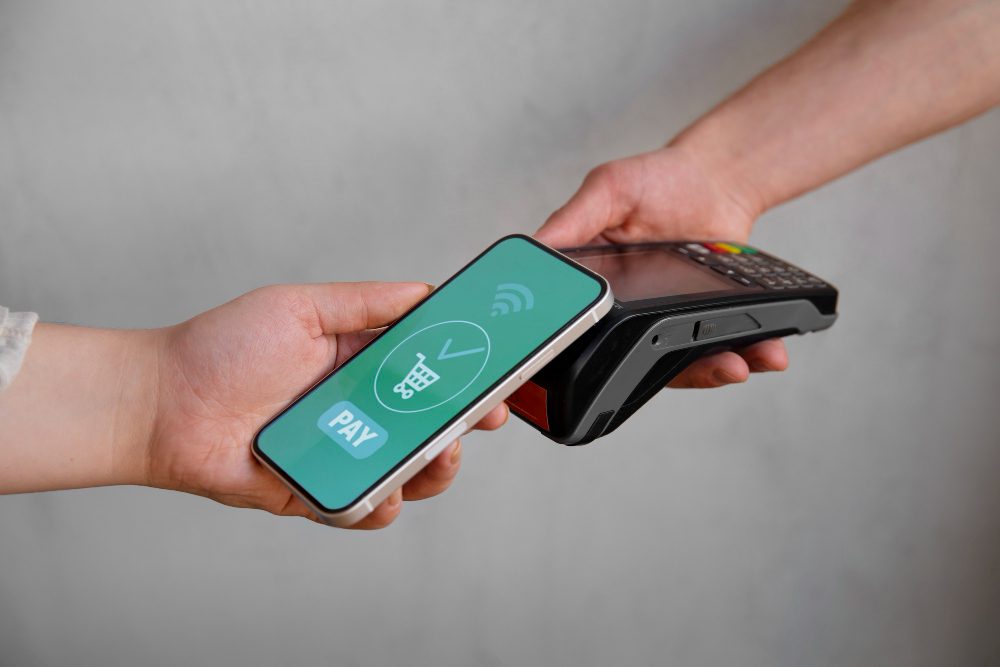
Choosing between phone-camera scanning and dedicated barcode hardware should be a measurement decision, not a preference debate.
The right choice is the one that protects queue flow and transaction confidence under your real conditions: label quality, traffic profile, and SKU complexity.
Measure before buying: what to track and why
Within baseline diagnostics, the immediate objective is turning hardware selection into evidence-based decision. The main risk appears when purchasing devices before diagnosing true bottleneck source. Execution should therefore rely on tracking scan time, retry rate, and queue impact and be tracked through average scan retries per item.
In real retail operations this is not abstract technology language; it is a day-to-day control choice that shapes queue speed, team confidence, and reporting trust at close.
This detail may look minor, but in practice it often separates stores that survive peak pressure from stores that leak margin quietly and discover it too late.
Operationally, begin with collect data across two real operating days, then lock in split metrics between calm and peak windows. If an edge case occurs such as strong variance between operators, avoid ad-hoc shortcuts; log the reason, tie the action to a user, then run separate training variance from hardware variance.
When this principle is implemented consistently, staff behavior becomes predictable under pressure because decisions are guided by policy instead of improvisation.
Even in small shops this structure matters, because small untracked exceptions compound into larger variances that become hard to explain without an event trail.
Field example: a grocery store avoided premature hardware spend after finding lighting as main issue. The strongest move was diagnosing root cause before investing because it fixed the root process instead of treating the visible symptom. Success is validated through procurement decision backed by measurable reality, not by temporary comfort.
If teams or branches change, a shared operating rule keeps customer experience stable and keeps performance from depending on one experienced individual.
When phone-camera scanning is fully sufficient
Within lean-fit operation, the immediate objective is using mobile scanning where it genuinely performs well. The main risk appears when assuming sufficiency in high-pressure environments. Execution should therefore rely on matching solution to volume and SKU complexity profile and be tracked through total ticket time with camera-first flow.
The practical test is straightforward: if this idea cannot be translated into a concrete cashier action, it is still strategy talk and not yet operational discipline.
Writing policy this explicitly also accelerates onboarding because new staff learn expected behavior from day one instead of learning through public trial and error.
Operationally, begin with test with multiple label conditions, then lock in run continuous peak-window scans. If an edge case occurs such as small packages with low-contrast print, avoid ad-hoc shortcuts; log the reason, tie the action to a user, then run improve print standards before rejecting camera path.
A frequent mistake is optimizing interface appearance while leaving core decision flow undefined; that usually creates polished screens with unstable retail execution.
The objective is not bureaucracy for its own sake; the objective is clarity about who acts, who approves, and what evidence remains after each exception.
Field example: a gift store stayed camera-first successfully due to moderate throughput and good labels. The strongest move was using phone scanning where conditions support it because it fixed the root process instead of treating the visible symptom. Success is validated through stable retry rates and predictable service time, not by temporary comfort.
Every sentence in this section exists to reduce randomness, because randomness in retail rarely hurts instantly; it usually appears later as stock stress or unexplained discounts.
When dedicated scanners become productive necessity
Within peak-hour throughput, the immediate objective is removing repeated item-level delay that compounds in queues. The main risk appears when delaying investment while cumulative waiting cost grows. Execution should therefore rely on converting per-item seconds into queue-time economics and be tracked through service-time delta before and after scanner deployment.
Strong teams evaluate this area through outcomes, not assumptions: shorter lines, fewer reversals, clearer accountability, and faster owner decisions the next morning.
Even in small shops this structure matters, because small untracked exceptions compound into larger variances that become hard to explain without an event trail.
Operationally, begin with estimate waiting-cost in busiest hour, then lock in compare against scanner investment and maintenance. If an edge case occurs such as dense catalog with difficult label geometries, avoid ad-hoc shortcuts; log the reason, tie the action to a user, then run select scanner class by reliability under stress, not only price.
The more explicit the reason-and-result chain inside the system, the less time teams spend in emotional debate and the more time they spend serving customers.
If teams or branches change, a shared operating rule keeps customer experience stable and keeps performance from depending on one experienced individual.
Field example: an electronics shop reduced retry burden significantly after targeted scanner adoption. The strongest move was linking hardware spend to operational gain because it fixed the root process instead of treating the visible symptom. Success is validated through shorter lines and lower cashier fatigue, not by temporary comfort.
This detail may look minor, but in practice it often separates stores that survive peak pressure from stores that leak margin quietly and discover it too late.
Scan environment engineering: light, labels, angles
Within context optimization, the immediate objective is raising first-pass read quality without unnecessary spending. The main risk appears when blaming hardware for environmental defects. Execution should therefore rely on counter-light tuning, print standardization, lens hygiene and be tracked through first-attempt scan success rate.
In real retail operations this is not abstract technology language; it is a day-to-day control choice that shapes queue speed, team confidence, and reporting trust at close.
The objective is not bureaucracy for its own sake; the objective is clarity about who acts, who approves, and what evidence remains after each exception.
Operationally, begin with identify glare and shadow zones at counter, then lock in normalize barcode print quality standards. If an edge case occurs such as mixed supplier label quality, avoid ad-hoc shortcuts; log the reason, tie the action to a user, then run in-house relabeling for high-friction SKUs.
When this principle is implemented consistently, staff behavior becomes predictable under pressure because decisions are guided by policy instead of improvisation.
Every sentence in this section exists to reduce randomness, because randomness in retail rarely hurts instantly; it usually appears later as stock stress or unexplained discounts.
Field example: a school-supplies store improved throughput without buying new scanners. The strongest move was repairing scan context before replacing tools because it fixed the root process instead of treating the visible symptom. Success is validated through sustained improvement in first-pass success, not by temporary comfort.
Writing policy this explicitly also accelerates onboarding because new staff learn expected behavior from day one instead of learning through public trial and error.
Fallback flow design: never let one code stop a line
Within continuity behavior, the immediate objective is ensuring ticket completion when scan fails. The main risk appears when queue freeze caused by a single unreadable item. Execution should therefore rely on rapid backup lookup by name or internal code and be tracked through recovery time after failed scan event.
The practical test is straightforward: if this idea cannot be translated into a concrete cashier action, it is still strategy talk and not yet operational discipline.
If teams or branches change, a shared operating rule keeps customer experience stable and keeps performance from depending on one experienced individual.
Operationally, begin with train staff on one standardized fallback path, then lock in improve SKU naming for fast retrieval. If an edge case occurs such as many similar item names causing lookup confusion, avoid ad-hoc shortcuts; log the reason, tie the action to a user, then run assign short unique internal aliases.
A frequent mistake is optimizing interface appearance while leaving core decision flow undefined; that usually creates polished screens with unstable retail execution.
This detail may look minor, but in practice it often separates stores that survive peak pressure from stores that leak margin quietly and discover it too late.
Field example: a supermarket branch reduced stress once fallback became routine. The strongest move was designing failure behavior before failure happens because it fixed the root process instead of treating the visible symptom. Success is validated through no sustained line stop from scan incidents, not by temporary comfort.
Even in small shops this structure matters, because small untracked exceptions compound into larger variances that become hard to explain without an event trail.
Seven-day decision sprint for confident choice
Within decision methodology, the immediate objective is ending with a clear camera-only, scanner, or hybrid strategy. The main risk appears when making a one-shift emotional decision. Execution should therefore rely on phased test: baseline, environment fix, re-measure, decide and be tracked through improvement delta between round-one and round-two tests.
Strong teams evaluate this area through outcomes, not assumptions: shorter lines, fewer reversals, clearer accountability, and faster owner decisions the next morning.
Every sentence in this section exists to reduce randomness, because randomness in retail rarely hurts instantly; it usually appears later as stock stress or unexplained discounts.
Operationally, begin with capture baseline with camera flow, then lock in optimize environment then retest under peak. If an edge case occurs such as partial gain still below peak requirements, avoid ad-hoc shortcuts; log the reason, tie the action to a user, then run adopt hybrid flow with scanners at critical counters only.
The more explicit the reason-and-result chain inside the system, the less time teams spend in emotional debate and the more time they spend serving customers.
Writing policy this explicitly also accelerates onboarding because new staff learn expected behavior from day one instead of learning through public trial and error.
Field example: a personal-care store achieved best cost-performance through hybrid deployment. The strongest move was keeping flexibility anchored in data because it fixed the root process instead of treating the visible symptom. Success is validated through clear decision with scalable next step plan, not by temporary comfort.
The objective is not bureaucracy for its own sake; the objective is clarity about who acts, who approves, and what evidence remains after each exception.
Daily team operating notebook
- Track scan performance separately for peak and non-peak periods.
- When retries rise, inspect environment quality before replacing hardware.
- Activate fallback lookup immediately; never let one failed scan stall a queue.
- Keep SKU naming clean to support rapid manual retrieval.
- Train consistent scan angle and handling practice across staff.
- Pilot dedicated scanners on the hardest SKU groups first.
- Evaluate waiting-cost economics, not hardware price alone.
- Maintain backup procedures for scanner-device failure too.
- Review scan metrics weekly because labels and conditions drift.
- Finalize decisions only after a full seven-day evidence cycle.
Weekly execution quality check
- What is this week’s first-pass scan success rate?
- Did peak-hour ticket time improve after environment optimization?
- How often did scan failure pause queue flow beyond tolerance?
- Is the fallback path consistently executed by all staff?
- Do data indicate need for dedicated scanners at critical counters?
- Is label quality stable across suppliers and batches?
- Did training reduce performance variance between operators?
- Is current model (camera/scanner/hybrid) still fit for traffic volume?
Operational close
The best barcode setup is the one that keeps your queue moving reliably within your real constraints, not the one that sounds best in theory.
If you want a practical flow that starts mobile and scales smoothly, Cashiery supports camera-first and hybrid barcode operations without heavy complexity.