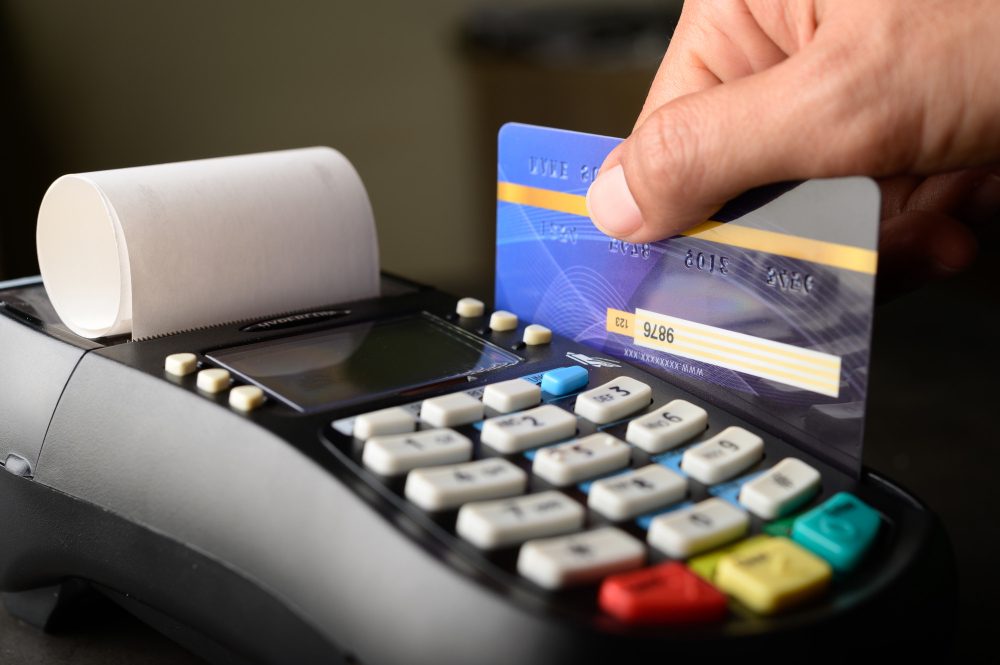
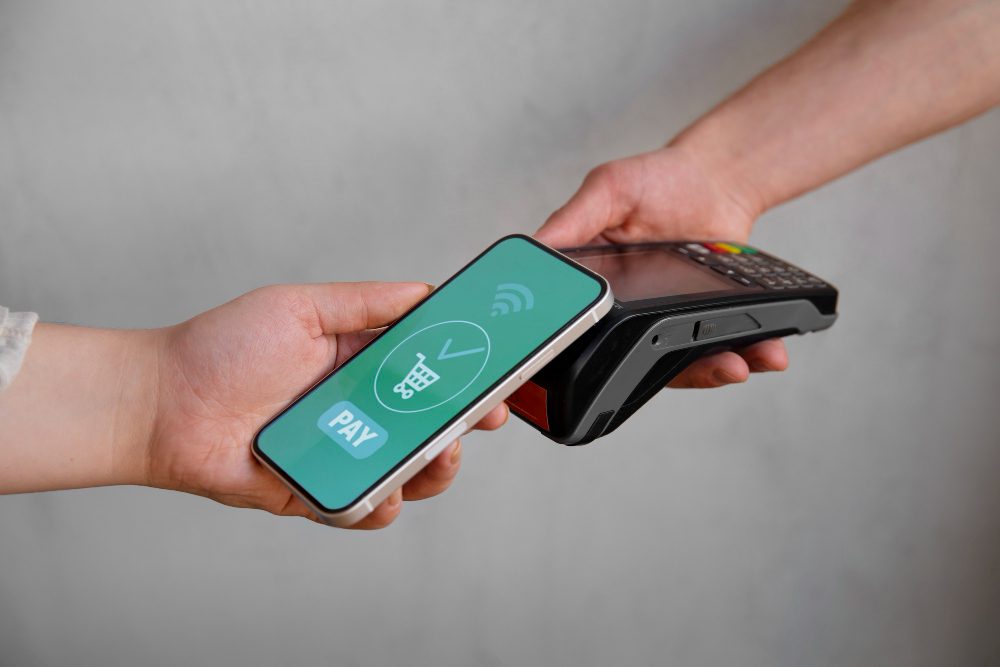
Mobile cashier versus traditional POS hardware is really a service-design decision. Are you serving from the counter only, or closing sales where customer intent happens? Hardware choice changes speed, movement, resilience, and customer perception.
Most comparisons over-focus on initial purchase price and underweight breakage recovery, accessory behavior, and shift-level continuity. This guide compares both models as operational hardware systems, not as isolated devices.
Peak throughput: who clears queues faster
Mobile setups can excel in assisted selling and on-floor conversion, but only when app flow and accessories are stable. Traditional terminals offer fixed predictability, yet can force unnecessary customer movement.
Measure full transaction cycle under rush conditions in both models before deciding.
Physical durability and shift endurance
Traditional terminals are physically stable by design. Mobile devices are more exposed to drops and movement stress, requiring stronger protection and battery discipline.
The key metric is recovery time after failure, not the fantasy of zero failure.
- Spare device availability and swap speed.
- Battery reliability through full shift volume.
- Protective setup quality for heavy daily handling.
- Repair lead-time exposure risk.
Customer perception in real checkout moments
Customers mostly care about wait time, receipt clarity, and confidence in final totals. Hardware appearance is secondary.
In some formats, fixed counters still suit basket review and packing flow. In others, mobile checkout removes friction and increases conversion.
Cost of breakage and downtime
Ownership cost includes interruption impact. A broken phone without fallback can halt sales immediately. A failed traditional unit may require longer technical recovery. Both models need continuity planning.
Budget for resilience: spare units, backup accessories, and rapid transfer procedures.
- Estimate lost revenue per downtime hour.
- Price emergency replacement within 24 hours.
- Calculate retraining cost when hardware changes.
- Model annual maintenance burden by setup type.
Accessory ecosystem and operating reliability
Traditional lanes usually integrate cash drawer and printer predictably. Mobile lanes rely more on wireless pairing, mounts, and charging reliability. Accessory quality often determines practical success.
Test complete station behavior, not software alone.
When a hybrid model wins
Many stores perform best with hybrid design: a fixed lane for heavy throughput and mobile devices for on-floor conversion or seasonal overflow.
Hybrid only works if data, permissions, and shift closure remain unified across both channels.
- Define clear roles for each lane type.
- Unify return and discount policy across devices.
- Validate shift close with mixed-channel sales.
Decision map by store behavior
Low-complexity small stores may thrive with mobile-first plus good resilience policy. High-volume fixed counters may still favor robust traditional lanes. Mixed traffic patterns often justify hybrid deployment.
Revisit the decision after sixty days of measured operation; early correction is cheaper than prolonged mismatch.
Verdict: choose service flow, not hardware image
Pick the model that wins your store’s three critical metrics: peak transaction time, failure recovery time, and annual ownership cost. Those numbers reveal fit better than branding.
For practical evaluation, run Cashiery in your mobile or hybrid scenarios and benchmark against traditional hardware flow using the same metrics.
Hardware pilot protocol before commitment
Supplemental detail 1.1: Run at least one real peak-hour stress block in each setup; calm-hour tests hide bottlenecks.
Supplemental detail 1.2: Simulate device failure and time recovery steps from disruption to first resumed sale.
Supplemental detail 1.3: Measure real battery behavior through full-shift workload rather than vendor estimates.
Supplemental detail 1.4: Verify accessory supply continuity and replacement lead times.
Supplemental detail 1.5: Collect direct cashier ergonomics feedback after repeated use, not first impression.
Supplemental detail 1.6: Repeat tests after one week of training to separate learning effects from hardware limits.
Hardware pilot protocol before commitment - Follow-up 2
Supplemental detail 2.1: Run at least one real peak-hour stress block in each setup; calm-hour tests hide bottlenecks.
Supplemental detail 2.2: Simulate device failure and time recovery steps from disruption to first resumed sale.
Supplemental detail 2.3: Measure real battery behavior through full-shift workload rather than vendor estimates.
Supplemental detail 2.4: Verify accessory supply continuity and replacement lead times.
Supplemental detail 2.5: Collect direct cashier ergonomics feedback after repeated use, not first impression.
Supplemental detail 2.6: Repeat tests after one week of training to separate learning effects from hardware limits.
Hardware pilot protocol before commitment - Follow-up 3
Supplemental detail 3.1: Run at least one real peak-hour stress block in each setup; calm-hour tests hide bottlenecks.
Supplemental detail 3.2: Simulate device failure and time recovery steps from disruption to first resumed sale.
Supplemental detail 3.3: Measure real battery behavior through full-shift workload rather than vendor estimates.
Supplemental detail 3.4: Verify accessory supply continuity and replacement lead times.
Supplemental detail 3.5: Collect direct cashier ergonomics feedback after repeated use, not first impression.
Supplemental detail 3.6: Repeat tests after one week of training to separate learning effects from hardware limits.
Hardware pilot protocol before commitment - Follow-up 4
Supplemental detail 4.1: Run at least one real peak-hour stress block in each setup; calm-hour tests hide bottlenecks.
Supplemental detail 4.2: Simulate device failure and time recovery steps from disruption to first resumed sale.
Supplemental detail 4.3: Measure real battery behavior through full-shift workload rather than vendor estimates.
Supplemental detail 4.4: Verify accessory supply continuity and replacement lead times.
Supplemental detail 4.5: Collect direct cashier ergonomics feedback after repeated use, not first impression.
Supplemental detail 4.6: Repeat tests after one week of training to separate learning effects from hardware limits.
Hardware pilot protocol before commitment - Follow-up 5
Supplemental detail 5.1: Run at least one real peak-hour stress block in each setup; calm-hour tests hide bottlenecks.
Supplemental detail 5.2: Simulate device failure and time recovery steps from disruption to first resumed sale.
Supplemental detail 5.3: Measure real battery behavior through full-shift workload rather than vendor estimates.
Supplemental detail 5.4: Verify accessory supply continuity and replacement lead times.
Supplemental detail 5.5: Collect direct cashier ergonomics feedback after repeated use, not first impression.
Supplemental detail 5.6: Repeat tests after one week of training to separate learning effects from hardware limits.
Hardware pilot protocol before commitment - Follow-up 6
Supplemental detail 6.1: Run at least one real peak-hour stress block in each setup; calm-hour tests hide bottlenecks.
Supplemental detail 6.2: Simulate device failure and time recovery steps from disruption to first resumed sale.
Supplemental detail 6.3: Measure real battery behavior through full-shift workload rather than vendor estimates.
Supplemental detail 6.4: Verify accessory supply continuity and replacement lead times.
Supplemental detail 6.5: Collect direct cashier ergonomics feedback after repeated use, not first impression.
Supplemental detail 6.6: Repeat tests after one week of training to separate learning effects from hardware limits.
Hardware pilot protocol before commitment - Follow-up 7
Supplemental detail 7.1: Run at least one real peak-hour stress block in each setup; calm-hour tests hide bottlenecks.
Supplemental detail 7.2: Simulate device failure and time recovery steps from disruption to first resumed sale.
Supplemental detail 7.3: Measure real battery behavior through full-shift workload rather than vendor estimates.
Supplemental detail 7.4: Verify accessory supply continuity and replacement lead times.
Supplemental detail 7.5: Collect direct cashier ergonomics feedback after repeated use, not first impression.
Supplemental detail 7.6: Repeat tests after one week of training to separate learning effects from hardware limits.
Hardware pilot protocol before commitment - Follow-up 8
Supplemental detail 8.1: Run at least one real peak-hour stress block in each setup; calm-hour tests hide bottlenecks.
Supplemental detail 8.2: Simulate device failure and time recovery steps from disruption to first resumed sale.
Supplemental detail 8.3: Measure real battery behavior through full-shift workload rather than vendor estimates.
Supplemental detail 8.4: Verify accessory supply continuity and replacement lead times.
Supplemental detail 8.5: Collect direct cashier ergonomics feedback after repeated use, not first impression.
Supplemental detail 8.6: Repeat tests after one week of training to separate learning effects from hardware limits.
Hardware pilot protocol before commitment - Follow-up 9
Supplemental detail 9.1: Run at least one real peak-hour stress block in each setup; calm-hour tests hide bottlenecks.
Supplemental detail 9.2: Simulate device failure and time recovery steps from disruption to first resumed sale.
Supplemental detail 9.3: Measure real battery behavior through full-shift workload rather than vendor estimates.
Supplemental detail 9.4: Verify accessory supply continuity and replacement lead times.
Supplemental detail 9.5: Collect direct cashier ergonomics feedback after repeated use, not first impression.
Supplemental detail 9.6: Repeat tests after one week of training to separate learning effects from hardware limits.