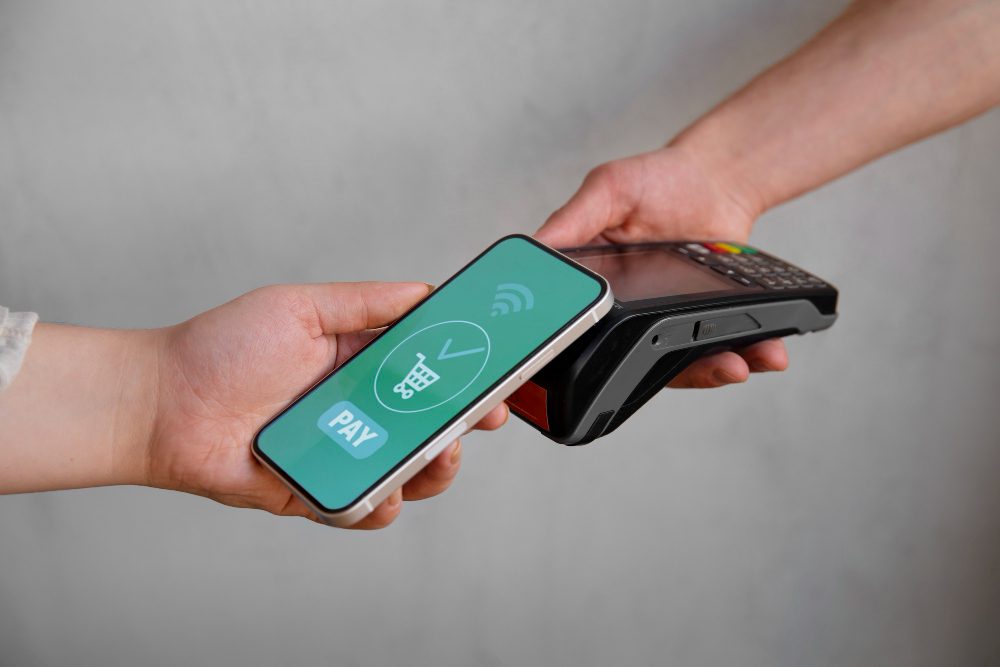
One store owner realized the value of cloud POS not during a sales demo, but when the primary checkout device failed during rush hour and the team continued selling from an approved backup device without process loss.
This guide explains cloud cashiering as an operating model, not a branding label: centralized truth, synchronized execution, controlled mobility, and practical resilience under interruptions.
Cloud POS definition beyond marketing language
Within operating model definition, the immediate objective is separating business continuity from dependence on one hardware endpoint. The main risk appears when teams treat cloud as a cosmetic interface change without governance redesign. Execution should therefore rely on individual user identity tied to centralized activity history and be tracked through time required to restore checkout after primary device failure.
In real retail operations this is not abstract technology language; it is a day-to-day control choice that shapes queue speed, team confidence, and reporting trust at close.
This detail may look minor, but in practice it often separates stores that survive peak pressure from stores that leak margin quietly and discover it too late.
Operationally, begin with define approved device classes by role, then lock in bind sales and stock events to named users. If an edge case occurs such as a staff member moving across branches in one day, avoid ad-hoc shortcuts; log the reason, tie the action to a user, then run role-based branch switching under one controlled account.
When this principle is implemented consistently, staff behavior becomes predictable under pressure because decisions are guided by policy instead of improvisation.
Even in small shops this structure matters, because small untracked exceptions compound into larger variances that become hard to explain without an event trail.
Field example: a busy branch lost its main tablet but resumed transactions from a secondary managed device in minutes. The strongest move was maintaining one source of truth instead of fragmented local records because it fixed the root process instead of treating the visible symptom. Success is validated through continuous ticket flow with clean day-end reconciliation, not by temporary comfort.
If teams or branches change, a shared operating rule keeps customer experience stable and keeps performance from depending on one experienced individual.
Real-time synchronization between revenue and stock
Within data movement integrity, the immediate objective is ensuring each sale produces matching financial and quantity impact instantly. The main risk appears when sales post immediately while inventory updates are deferred manually. Execution should therefore rely on automatic quantity movement linked to unique transaction IDs and be tracked through count of sales events missing inventory impact.
The practical test is straightforward: if this idea cannot be translated into a concrete cashier action, it is still strategy talk and not yet operational discipline.
Writing policy this explicitly also accelerates onboarding because new staff learn expected behavior from day one instead of learning through public trial and error.
Operationally, begin with map item journey from checkout to reporting, then lock in block all non-integrated selling paths. If an edge case occurs such as partial return on an older invoice, avoid ad-hoc shortcuts; log the reason, tie the action to a user, then run restore quantity at line-item level from original ticket.
A frequent mistake is optimizing interface appearance while leaving core decision flow undefined; that usually creates polished screens with unstable retail execution.
The objective is not bureaucracy for its own sake; the objective is clarity about who acts, who approves, and what evidence remains after each exception.
Field example: a personal-care shop resolved recurring phantom stockouts by eliminating manual side-sales. The strongest move was system-only selling discipline because it fixed the root process instead of treating the visible symptom. Success is validated through declining variance on fast-moving SKUs within two weeks, not by temporary comfort.
Every sentence in this section exists to reduce randomness, because randomness in retail rarely hurts instantly; it usually appears later as stock stress or unexplained discounts.
Mobile access design: advantage without uncontrolled risk
Within remote decision flow, the immediate objective is using phones for rapid approvals while protecting sensitive actions. The main risk appears when granting full operational authority to unmanaged mobile sessions. Execution should therefore rely on permission split across view, approve, and execute levels and be tracked through number of high-risk actions from unapproved devices.
Strong teams evaluate this area through outcomes, not assumptions: shorter lines, fewer reversals, clearer accountability, and faster owner decisions the next morning.
Even in small shops this structure matters, because small untracked exceptions compound into larger variances that become hard to explain without an event trail.
Operationally, begin with define mobile-approved actions such as bounded discount approvals, then lock in restrict structural edits to supervised endpoints. If an edge case occurs such as remote request for large stock correction, avoid ad-hoc shortcuts; log the reason, tie the action to a user, then run approval request workflow instead of direct execution.
The more explicit the reason-and-result chain inside the system, the less time teams spend in emotional debate and the more time they spend serving customers.
If teams or branches change, a shared operating rule keeps customer experience stable and keeps performance from depending on one experienced individual.
Field example: an owner off-site detected hourly weakness early and redirected floor operations before major loss. The strongest move was mobile-first visibility with controlled execution boundaries because it fixed the root process instead of treating the visible symptom. Success is validated through faster response time with zero unauthorized structural edits, not by temporary comfort.
This detail may look minor, but in practice it often separates stores that survive peak pressure from stores that leak margin quietly and discover it too late.
Security posture: discipline matters more than location labels
Within retail security governance, the immediate objective is building practical protection through policy and behavior. The main risk appears when shared credentials masking accountability. Execution should therefore rely on unique accounts with periodic activity review and be tracked through share of sensitive actions without attributable identity.
In real retail operations this is not abstract technology language; it is a day-to-day control choice that shapes queue speed, team confidence, and reporting trust at close.
The objective is not bureaucracy for its own sake; the objective is clarity about who acts, who approves, and what evidence remains after each exception.
Operationally, begin with retire all shared cashier logins, then lock in track permission changes and login anomalies. If an edge case occurs such as temporary seasonal staff rotation, avoid ad-hoc shortcuts; log the reason, tie the action to a user, then run time-limited accounts with automatic expiry.
When this principle is implemented consistently, staff behavior becomes predictable under pressure because decisions are guided by policy instead of improvisation.
Every sentence in this section exists to reduce randomness, because randomness in retail rarely hurts instantly; it usually appears later as stock stress or unexplained discounts.
Field example: a chain reduced unexplained discount incidents after removing team-shared passwords. The strongest move was identity-linked exception control because it fixed the root process instead of treating the visible symptom. Success is validated through auditable cause trails for all high-impact actions, not by temporary comfort.
Writing policy this explicitly also accelerates onboarding because new staff learn expected behavior from day one instead of learning through public trial and error.
Offline continuity validation before full rollout
Within service resilience, the immediate objective is maintaining safe sales continuity during internet interruption. The main risk appears when accepting vague offline claims without stress testing. Execution should therefore rely on disconnect-and-recover drills with reconciliation review and be tracked through duplicate or missing tickets after reconnect.
The practical test is straightforward: if this idea cannot be translated into a concrete cashier action, it is still strategy talk and not yet operational discipline.
If teams or branches change, a shared operating rule keeps customer experience stable and keeps performance from depending on one experienced individual.
Operationally, begin with simulate outage during real trade window, then lock in restart endpoint and validate ordered sync recovery. If an edge case occurs such as parallel offline sales on overlapping stock from two devices, avoid ad-hoc shortcuts; log the reason, tie the action to a user, then run deterministic conflict handling with supervisor visibility.
A frequent mistake is optimizing interface appearance while leaving core decision flow undefined; that usually creates polished screens with unstable retail execution.
This detail may look minor, but in practice it often separates stores that survive peak pressure from stores that leak margin quietly and discover it too late.
Field example: a grocery micro-branch completed an outage shift and synced cleanly afterward. The strongest move was quarterly resilience drills instead of one-time demos because it fixed the root process instead of treating the visible symptom. Success is validated through stable chronology and no duplicate posting, not by temporary comfort.
Even in small shops this structure matters, because small untracked exceptions compound into larger variances that become hard to explain without an event trail.
Cost model: downtime impact over sticker price
Within financial evaluation, the immediate objective is comparing systems using operational loss exposure. The main risk appears when selection based only on subscription line item. Execution should therefore rely on combined calculation of missed revenue, delay, and service drag and be tracked through estimated peak-hour loss per outage hour.
Strong teams evaluate this area through outcomes, not assumptions: shorter lines, fewer reversals, clearer accountability, and faster owner decisions the next morning.
Every sentence in this section exists to reduce randomness, because randomness in retail rarely hurts instantly; it usually appears later as stock stress or unexplained discounts.
Operationally, begin with compute hourly ticket baseline, then lock in estimate cancellation and trust impact. If an edge case occurs such as short repeated outages twice a week, avoid ad-hoc shortcuts; log the reason, tie the action to a user, then run evaluate cumulative annualized loss against stable platform cost.
The more explicit the reason-and-result chain inside the system, the less time teams spend in emotional debate and the more time they spend serving customers.
Writing policy this explicitly also accelerates onboarding because new staff learn expected behavior from day one instead of learning through public trial and error.
Field example: a dessert store discovered Friday outage losses exceeded monthly platform fees. The strongest move was embedding continuity economics in procurement decisions because it fixed the root process instead of treating the visible symptom. Success is validated through reduced interruption loss and cleaner customer flow, not by temporary comfort.
The objective is not bureaucracy for its own sake; the objective is clarity about who acts, who approves, and what evidence remains after each exception.
Team migration playbook without adoption shock
Within change management, the immediate objective is moving staff to cloud routines quickly and safely. The main risk appears when launching with no scenario-based training. Execution should therefore rely on role-specific rehearsals for normal and exceptional flows and be tracked through error count during first two implementation weeks.
In real retail operations this is not abstract technology language; it is a day-to-day control choice that shapes queue speed, team confidence, and reporting trust at close.
This detail may look minor, but in practice it often separates stores that survive peak pressure from stores that leak margin quietly and discover it too late.
Operationally, begin with train standard sale, return, and approval sequence, then lock in separate supervisor training for activity review and escalations. If an edge case occurs such as legacy staff preferring paper fallback, avoid ad-hoc shortcuts; log the reason, tie the action to a user, then run demonstrate objective speed/accuracy gains from digital flow.
When this principle is implemented consistently, staff behavior becomes predictable under pressure because decisions are guided by policy instead of improvisation.
Even in small shops this structure matters, because small untracked exceptions compound into larger variances that become hard to explain without an event trail.
Field example: after scenario-led practice, average checkout time improved despite traffic growth. The strongest move was training for pressure moments, not calm-room theory only because it fixed the root process instead of treating the visible symptom. Success is validated through stable execution quality across old and new staff, not by temporary comfort.
If teams or branches change, a shared operating rule keeps customer experience stable and keeps performance from depending on one experienced individual.
Vendor selection matrix for operational fit
Within solution selection, the immediate objective is choosing based on real shift behavior rather than polished demos. The main risk appears when decisions driven by visuals or discount pricing without field proof. Execution should therefore rely on live trial covering sync, offline behavior, and permission governance and be tracked through critical requirement pass rate in real store conditions.
The practical test is straightforward: if this idea cannot be translated into a concrete cashier action, it is still strategy talk and not yet operational discipline.
Writing policy this explicitly also accelerates onboarding because new staff learn expected behavior from day one instead of learning through public trial and error.
Operationally, begin with document mandatory controls before demos, then lock in run a true shift pilot with actual SKUs and staff. If an edge case occurs such as great demo but unstable peak-hour synchronization, avoid ad-hoc shortcuts; log the reason, tie the action to a user, then run reject despite non-critical strengths.
A frequent mistake is optimizing interface appearance while leaving core decision flow undefined; that usually creates polished screens with unstable retail execution.
The objective is not bureaucracy for its own sake; the objective is clarity about who acts, who approves, and what evidence remains after each exception.
Field example: an electronics retailer selected the most resilient, not the loudest-marketed, platform. The strongest move was prioritizing continuity and accountability over showroom polish because it fixed the root process instead of treating the visible symptom. Success is validated through procurement decision defensible by measurable outcomes, not by temporary comfort.
Every sentence in this section exists to reduce randomness, because randomness in retail rarely hurts instantly; it usually appears later as stock stress or unexplained discounts.
Daily team operating notebook
- Record shift start with active device, user identity, and connectivity status to preserve investigation context.
- If a checkout endpoint fails, execute fallback migration immediately; repair work should not happen while a queue is waiting.
- Review recent high-impact exceptions daily and confirm each one has role-valid approval evidence.
- When stock variance appears, test for off-system selling before blaming counting quality.
- Do not close day operations until all endpoint sync queues are fully reconciled centrally.
- Re-run outage drills monthly because software versions and endpoint conditions evolve.
- Coach supervisors to read activity logs as process-improvement tools, not punishment tools.
- Use hourly snapshots to measure impact of operational changes instead of relying on end-of-day assumptions.
- Maintain strict individual account usage in all seasons, including temporary peak hiring.
- Keep mobile execution scoped: visibility and bounded approvals are good, structural edits require stronger guardrails.
Weekly execution quality check
- What was average restoration time after primary endpoint disruption this month?
- How many stock movements lacked a valid originating sales or return event?
- Did all exception discounts carry role-compliant approvals and user attribution?
- Was a realistic offline continuity drill completed and documented this month?
- Did any shared credentials appear in high-impact action trails?
- Are branch-level reports perfectly aligned with centralized records?
- Has mobile visibility improved owner decision speed without added control risk?
- Are permission policies applied consistently across all active branches?
Operational close
Cloud POS value is measured by continuity, clarity, and controllability under pressure, not by interface novelty alone.
If you want a practical migration path, test Cashiery on a live operating day and evaluate how smoothly it improves resilience, oversight, and decision speed.