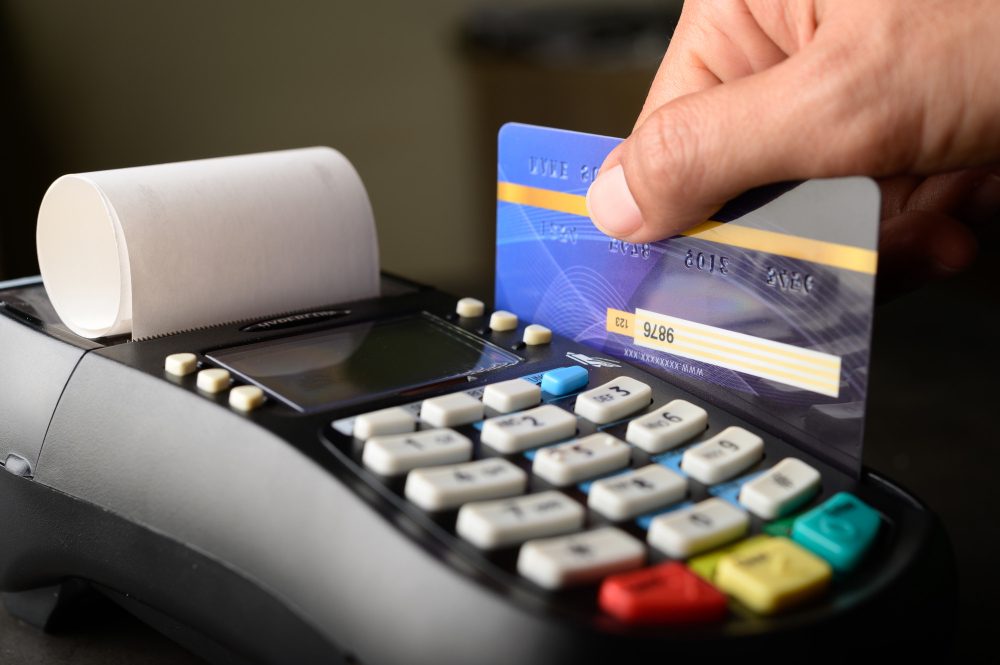
Many store owners treat receipts as a formality, but a clear receipt is a financial-control tool. It reduces dispute friction, accelerates returns, and creates dependable transaction evidence.
When receipt quality is weak, problems scale quickly: customers cannot verify details, staff cannot explain differences, and owners cannot trace root causes efficiently.
This article explains why POS receipts matter and which design elements make them operationally useful.
Receipt as trust contract
A useful receipt reduces argument time because it shows item name, quantity, unit price, discount, tax, and final total in readable structure. Clarity converts tension into quick resolution.
Trust is built when both customer and cashier can reference the same facts instantly.
Operational value beyond customer service
- Faster validation of return requests against original sale.
- Lower confusion around similar items and close prices.
- Better day-close reconciliation quality.
- Reliable evidence for complaint handling.
- Cleaner data for sales and category analysis.
Common receipt-design mistakes
- Over-abbreviated item names that hide meaning.
- Totals shown without discount/tax breakdown.
- Missing timestamp or readable invoice ID.
- Crowded layout difficult to scan quickly.
- No visible exchange/return policy pointer.
Weekly review checklist
Sample real receipts weekly and ask: can a new employee interpret this quickly, can a typical customer verify it, and can this document resolve a dispute in under two minutes?
Small weekly checks prevent cumulative clarity debt.
Receipt-to-report alignment
Receipt fields should map cleanly into internal reporting logic. When customer-facing values and back-office totals follow different structures, reconciliation slows and trust erodes.
Alignment speeds both frontline service and management decisions.
Conclusion
Receipts are not cosmetic output. They are operational safeguards that protect margin and customer trust.
After defining your required receipt elements, you can evaluate Cashiery if you want clearer transaction output tied to disciplined reporting.
Receipt quality improvement phase 1
Phase 1 upgrades one receipt element at a time: naming clarity, discount transparency, or tax layout readability. Impact is measured against realistic customer interactions.
The same phase 1 validates alignment with internal reporting so the receipt supports both customer trust and accounting discipline.
- Review 1.1: item-name clarity.
- Review 1.2: quantity and unit-price clarity.
- Review 1.3: discount visibility with tax context.
- Review 1.4: invoice ID and timestamp readability.
- Review 1.5: final-total presentation quality.
Receipt quality improvement phase 2
Phase 2 upgrades one receipt element at a time: naming clarity, discount transparency, or tax layout readability. Impact is measured against realistic customer interactions.
The same phase 2 validates alignment with internal reporting so the receipt supports both customer trust and accounting discipline.
- Review 2.1: item-name clarity.
- Review 2.2: quantity and unit-price clarity.
- Review 2.3: discount visibility with tax context.
- Review 2.4: invoice ID and timestamp readability.
- Review 2.5: final-total presentation quality.
Receipt quality improvement phase 3
Phase 3 upgrades one receipt element at a time: naming clarity, discount transparency, or tax layout readability. Impact is measured against realistic customer interactions.
The same phase 3 validates alignment with internal reporting so the receipt supports both customer trust and accounting discipline.
- Review 3.1: item-name clarity.
- Review 3.2: quantity and unit-price clarity.
- Review 3.3: discount visibility with tax context.
- Review 3.4: invoice ID and timestamp readability.
- Review 3.5: final-total presentation quality.
Receipt quality improvement phase 4
Phase 4 upgrades one receipt element at a time: naming clarity, discount transparency, or tax layout readability. Impact is measured against realistic customer interactions.
The same phase 4 validates alignment with internal reporting so the receipt supports both customer trust and accounting discipline.
- Review 4.1: item-name clarity.
- Review 4.2: quantity and unit-price clarity.
- Review 4.3: discount visibility with tax context.
- Review 4.4: invoice ID and timestamp readability.
- Review 4.5: final-total presentation quality.
Receipt quality improvement phase 5
Phase 5 upgrades one receipt element at a time: naming clarity, discount transparency, or tax layout readability. Impact is measured against realistic customer interactions.
The same phase 5 validates alignment with internal reporting so the receipt supports both customer trust and accounting discipline.
- Review 5.1: item-name clarity.
- Review 5.2: quantity and unit-price clarity.
- Review 5.3: discount visibility with tax context.
- Review 5.4: invoice ID and timestamp readability.
- Review 5.5: final-total presentation quality.
Receipt quality improvement phase 6
Phase 6 upgrades one receipt element at a time: naming clarity, discount transparency, or tax layout readability. Impact is measured against realistic customer interactions.
The same phase 6 validates alignment with internal reporting so the receipt supports both customer trust and accounting discipline.
- Review 6.1: item-name clarity.
- Review 6.2: quantity and unit-price clarity.
- Review 6.3: discount visibility with tax context.
- Review 6.4: invoice ID and timestamp readability.
- Review 6.5: final-total presentation quality.
Receipt quality improvement phase 7
Phase 7 upgrades one receipt element at a time: naming clarity, discount transparency, or tax layout readability. Impact is measured against realistic customer interactions.
The same phase 7 validates alignment with internal reporting so the receipt supports both customer trust and accounting discipline.
- Review 7.1: item-name clarity.
- Review 7.2: quantity and unit-price clarity.
- Review 7.3: discount visibility with tax context.
- Review 7.4: invoice ID and timestamp readability.
- Review 7.5: final-total presentation quality.
Receipt quality improvement phase 8
Phase 8 upgrades one receipt element at a time: naming clarity, discount transparency, or tax layout readability. Impact is measured against realistic customer interactions.
The same phase 8 validates alignment with internal reporting so the receipt supports both customer trust and accounting discipline.
- Review 8.1: item-name clarity.
- Review 8.2: quantity and unit-price clarity.
- Review 8.3: discount visibility with tax context.
- Review 8.4: invoice ID and timestamp readability.
- Review 8.5: final-total presentation quality.
Receipt quality improvement phase 9
Phase 9 upgrades one receipt element at a time: naming clarity, discount transparency, or tax layout readability. Impact is measured against realistic customer interactions.
The same phase 9 validates alignment with internal reporting so the receipt supports both customer trust and accounting discipline.
- Review 9.1: item-name clarity.
- Review 9.2: quantity and unit-price clarity.
- Review 9.3: discount visibility with tax context.
- Review 9.4: invoice ID and timestamp readability.
- Review 9.5: final-total presentation quality.
Receipt quality improvement phase 10
Phase 10 upgrades one receipt element at a time: naming clarity, discount transparency, or tax layout readability. Impact is measured against realistic customer interactions.
The same phase 10 validates alignment with internal reporting so the receipt supports both customer trust and accounting discipline.
- Review 10.1: item-name clarity.
- Review 10.2: quantity and unit-price clarity.
- Review 10.3: discount visibility with tax context.
- Review 10.4: invoice ID and timestamp readability.
- Review 10.5: final-total presentation quality.
Receipt quality improvement phase 11
Phase 11 upgrades one receipt element at a time: naming clarity, discount transparency, or tax layout readability. Impact is measured against realistic customer interactions.
The same phase 11 validates alignment with internal reporting so the receipt supports both customer trust and accounting discipline.
- Review 11.1: item-name clarity.
- Review 11.2: quantity and unit-price clarity.
- Review 11.3: discount visibility with tax context.
- Review 11.4: invoice ID and timestamp readability.
- Review 11.5: final-total presentation quality.
Receipt quality improvement phase 12
Phase 12 upgrades one receipt element at a time: naming clarity, discount transparency, or tax layout readability. Impact is measured against realistic customer interactions.
The same phase 12 validates alignment with internal reporting so the receipt supports both customer trust and accounting discipline.
- Review 12.1: item-name clarity.
- Review 12.2: quantity and unit-price clarity.
- Review 12.3: discount visibility with tax context.
- Review 12.4: invoice ID and timestamp readability.
- Review 12.5: final-total presentation quality.
Receipt quality improvement phase 13
Phase 13 upgrades one receipt element at a time: naming clarity, discount transparency, or tax layout readability. Impact is measured against realistic customer interactions.
The same phase 13 validates alignment with internal reporting so the receipt supports both customer trust and accounting discipline.
- Review 13.1: item-name clarity.
- Review 13.2: quantity and unit-price clarity.
- Review 13.3: discount visibility with tax context.
- Review 13.4: invoice ID and timestamp readability.
- Review 13.5: final-total presentation quality.
Receipt quality improvement phase 14
Phase 14 upgrades one receipt element at a time: naming clarity, discount transparency, or tax layout readability. Impact is measured against realistic customer interactions.
The same phase 14 validates alignment with internal reporting so the receipt supports both customer trust and accounting discipline.
- Review 14.1: item-name clarity.
- Review 14.2: quantity and unit-price clarity.
- Review 14.3: discount visibility with tax context.
- Review 14.4: invoice ID and timestamp readability.
- Review 14.5: final-total presentation quality.
Receipt quality improvement phase 15
Phase 15 upgrades one receipt element at a time: naming clarity, discount transparency, or tax layout readability. Impact is measured against realistic customer interactions.
The same phase 15 validates alignment with internal reporting so the receipt supports both customer trust and accounting discipline.
- Review 15.1: item-name clarity.
- Review 15.2: quantity and unit-price clarity.
- Review 15.3: discount visibility with tax context.
- Review 15.4: invoice ID and timestamp readability.
- Review 15.5: final-total presentation quality.
Receipt quality improvement phase 16
Phase 16 upgrades one receipt element at a time: naming clarity, discount transparency, or tax layout readability. Impact is measured against realistic customer interactions.
The same phase 16 validates alignment with internal reporting so the receipt supports both customer trust and accounting discipline.
- Review 16.1: item-name clarity.
- Review 16.2: quantity and unit-price clarity.
- Review 16.3: discount visibility with tax context.
- Review 16.4: invoice ID and timestamp readability.
- Review 16.5: final-total presentation quality.